
MOOSEN / PRODUCT SYSTEM
Medical Micro-Wire Materials
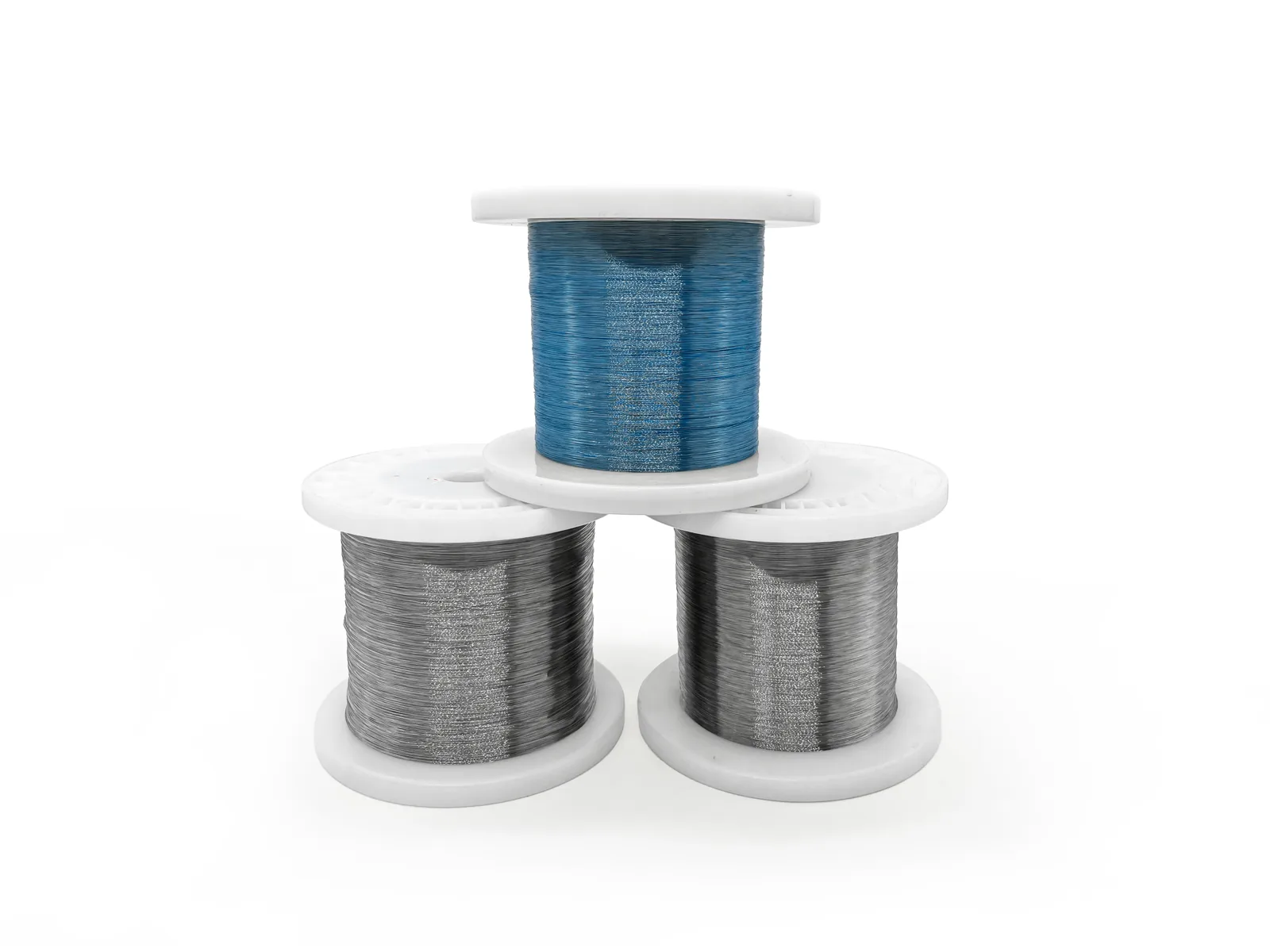
Bare platinum–iridium wire, ETFE-coated conductors and coaxial DFT composite wire for customer-defined medical assemblies. Each construction has its own material, diameter, insulation and supply specification.
THE CATEGORY
Built around the device specification
MOOSEN supplies bare platinum–iridium wire, ETFE-coated medical wire and coaxial DFT composite wire. Material options depend on the specific construction: ETFE coating can be specified over Pt–Ir, DFT or 316L conductors, while DFT sheath and core combinations are reviewed against the device drawing.
Need a completed wire or lead assembly instead of wire material? Explore MOOSEN custom medical wire assemblies for connector, termination and routing options.
PRODUCTS IN THIS SYSTEM
Explore every product pathway
Platinum Iridium Wire Supplier
Procurement, material specification and supply documentation.
Platinum Iridium Medical Wire
Custom conductor geometry for medical assemblies.
ETFE-Coated Medical Wire
ETFE insulation over a specified Pt–Ir, DFT or 316L conductor.
Coaxial DFT Composite Medical Wire
Drawing-defined composite conductor with selected sheath and core materials.
WHY MOOSEN
From drawing to controlled component
Pt–Ir wire sourcing aligned with a device drawing
Bare and ETFE-coated conductor pathways
Supply form, handling and inspection planned around downstream assembly
SPECIFICATION INPUTS
What to include in your RFQ
Product-specific sheath and core materials
Diameter and tolerance
Bare, DFT or ETFE-coated construction
Supply length, packaging and records
DEVICE INTEGRATION
A typical component brief
A device manufacturer needs a fine Pt–Ir conductor with a defined diameter and insulation boundary. The technical package states wire condition, spool or straight-length preference, coating requirement, termination process and inspection method. MOOSEN reviews the combination as one supply scope.
RECEIVING INSPECTION
What procurement teams can verify
Buyers can compare bare and coated options by interface needs, handling, traceability and agreed inspection data.
Ask how the wire grade, supply format and inspected characteristics will be recorded for each lot.
Choose the metal, insulation and wire geometry
Begin with the wire’s function. A conductor carrying a signal between two defined points, fine wire formed around a mandrel, and wire used as feedstock for a marker have different acceptance criteria. List the attributes that matter after the next operation, such as resistance, fit after coating or end condition after cutting. Use that list to decide which characteristics belong on the incoming material drawing and which need measurement after assembly.
Alloy, insulation and construction are independent choices. Platinum-iridium identifies metal composition. ETFE identifies a polymer layer around a wire. A coaxial composite uses two metallic regions in one filament, while a strand combines multiple filaments. A wire can have a composite cross-section and an outer coating at the same time. A wound lead can use one or several coated filaments. Name the actual combination on your drawing so competing quotes describe the same article.
Platinum-iridium for drawing-defined parts
Specify platinum-iridium by alloy composition and material condition. Wire that will be bent or wound needs a condition compatible with the forming operation and any limits for springback. Joined wire needs a surface and end condition suited to the chosen process. Confirm the condition in writing where the material designation leaves it open. If a mechanical property is critical, include the test method and acceptance range. See the platinum-iridium fine wire product page.
Call out bare diameter and tolerance together. Add straightness, surface or cut-end criteria where they affect feeding or assembly. A straightened part going into a fixture can require different verification from continuous wire that will be unwound and formed. Share feeder or equipment constraints where they determine how material will be delivered. Review platinum-iridium wire supply options for a drawing-defined project.
ETFE-covered wire and finished diameter
MOOSEN publishes ETFE-coated platinum-iridium and composite wire products with custom diameter and length options. Specify bare conductor diameter, finished diameter and the coating thickness or coverage where separately critical. A conductor can meet its bare diameter requirement and still exceed a lumen’s clearance after coating. If the coated wire passes through a fixture, state which portion must meet the finished diameter limit. See ETFE-coated medical wire and the MOOSEN coated wire data.
Define where insulation begins and ends. If an assembly needs exposed metal, identify its length and location from a datum. This helps establish the delivery condition and who prepares the termination zones. When electrical isolation matters, give the method, sample preparation and acceptance limits. State the purpose of the layer so the test addresses whether it provides electrical insulation or another function defined by the device project.
Two wires with the same finished diameter can have different metal sections and coating thickness. Both may pass through the same routing channel, but the difference affects the stripped end and available conducting area. A project with electrical and fit requirements should evaluate both on samples prepared for the next operation. Include the working connector or termination details when they influence the choice of conductor.
DFT coaxial wire and stranded constructions
For a coaxial composite, show the inner metal and sheath in a cross-section. If the share of a material matters, define the area fraction and how it will be verified. Core area percentage and core diameter percentage describe different proportions. Add material condition and the finished metal diameter tolerance. Identify any polymer separately. See coaxial DFT composite medical wire and the DFT construction reference.
When electrical resistance drives the selection, request it over a given length or in a stated resistance-per-length unit. Define measurement temperature if relevant to acceptance. Include forming and termination requirements, since a wire selected for its electrical behavior can have different mechanical requirements from another composite of the same size. For a wire cut and joined downstream, provide information about the exposed end and intended contact surface.
A strand combines multiple filaments. A winding arranges one or more wires into a helix with a defined pitch and diameter. MOOSEN documents single- and multiple-filament wound signal leads in selected materials. Specify whether your project needs a straight stranded cable, a formed helix or separately insulated conductors. Give filament count, individual wire size, bundle dimensions and lay or pitch where relevant. If the filaments carry independent channels, show how each is isolated and identified. Explore medical stranded wire and cables and the MOOSEN signal lead examples.
Compare medical wire suppliers on the same specification
Use the same material and dimensional information for every quote. Give the drawing revision, composition and condition, bare and coated size as applicable, and surface requirements. Identify where a narrow tolerance is driven by fit, forming or electrical function. Ask the supplier to record the accepted inspection method. A small numeric tolerance is difficult to compare unless the measurement positions and sample handling are specified.
Request the delivery form your process uses. For continuous wire, identify spool geometry, usable length and any restriction on joints. For cut lengths, give length tolerance, end criteria and packaging to preserve the received condition. For a bundle or winding, specify how it must be supported during transfer. If the drawing leaves delivery format open, ask the supplier to confirm its approach in the quote so pricing and acceptance use the same assumptions.
If more than one alloy or construction is possible, ask for separate options against the same drawing. Keep mandatory features fixed and identify where an alternative is welcome for review. Ask how sample material will be labeled so fit, feeding and termination results can be traced to the correct candidate. A sample order can resolve a design question before the material code or inspection acceptance limits are frozen.
Request the lot records you need at receipt. Examples include material designation, drawing revision, lot identity, dimensional readings and agreed electrical or mechanical results. For continuous wire, confirm how reel labels map to material lots. For cut pieces, establish how packaging preserves lot identity. During sample review, distinguish an incoming material discrepancy from an effect introduced during your assembly operation.
A material quotation covers the wire and the agreed delivery and inspection conditions. Describe downstream assembly operations separately when they are part of your purchase. For a guidewire project, use the guidewire components and fine wire guide to relate the material drawing to the next operation. For drawing-defined connectors and terminated leads, include the circuit map and review medical wire assemblies.
Send your material grade or proposed construction, critical tolerances, delivery requirements and lot records with the drawing. Include the trial quantity and expected production volume. A section of the intended application can help explain which wire features matter to assembly and which can be optimized during the quote review.
When comparing supplier samples, identify which material configuration belongs to each result. Store the composition, condition, coating and individual conductor dimensions with the trial data. If a prototype changes from bare to coated wire or from a solid filament to a composite, record the actual dimensions rather than comparing labels alone. This record lets you revisit a fit, termination or resistance observation when choosing which wire construction to release. In production, the same information makes it easier for receiving to verify that the delivered material is the one accepted during qualification.
NEXT STEP
Send your specification to MOOSEN
Share the drawing, intended application, target quantity and required inspection or documentation. Our team will respond with the component scope and technical questions needed for quotation.