
MEDICAL SENSOR COMPONENTS
Ultra-Fine Temperature-Sensing Leads
MOOSEN supplies ultra-fine temperature-sensing leads and miniature sensor assemblies for constrained medical-device pathways, including thermocouple, NTC and RTD options. The sensing junction, routing and connection geometry follow the customer’s device drawing.
Start with the measurement and environment
The engineering challenge is often at the transition between the sensing tip, insulated wire and larger connection. Define those interfaces before choosing a nominal conductor size.
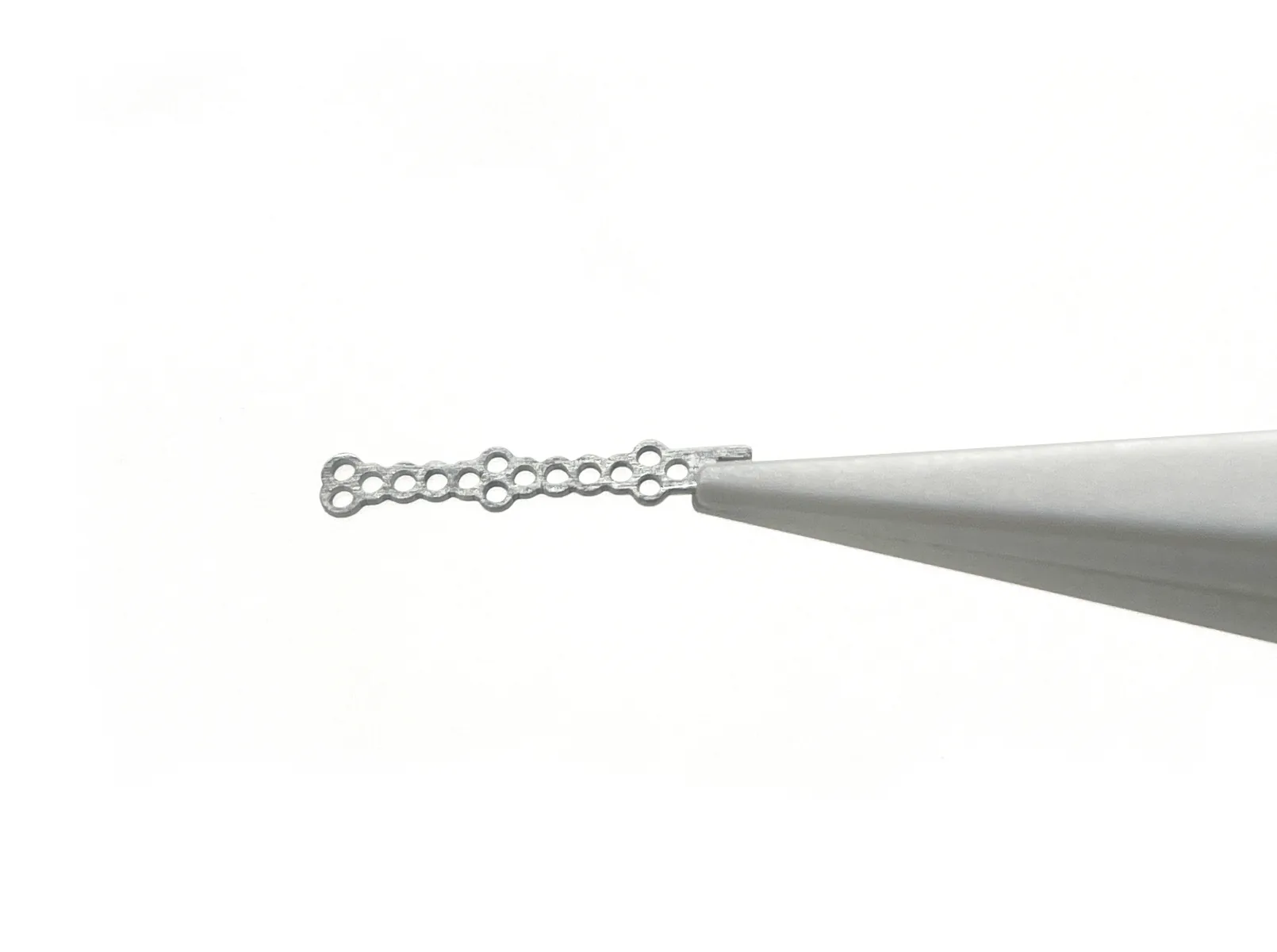
Three design decisions
Miniature junction
Define the target sensing point and the space available for joining.
Wire routing
Review bend path, handling and strain at each transition.
Inspection method
Agree magnification and measurement access for small features.
Project specification checklist
Use these fields to define the proposed component. Numerical requirements are agreed per project and verified by the customer’s method.
| Overall envelope | Maximum diameter, length and transition dimensions |
| Junction or tip | Geometry, placement and exposed/protected condition |
| Fine conductor | Material, diameter, length and delivery form |
| Insulation | Coverage, thickness and termination position |
| Strain relief | Bend, handling and connector transition requirements |
| Verification | Microscopic visual checks, continuity and agreed dimensions |
MOOSEN support from drawing to component
- Coordinate the sensing element, conductor and interface requirements in one engineering plan
- Discuss material, miniature feature and assembly constraints before sampling
- Agree inspection points and documents for each component order
Select the right component for your assembly
Compare adjacent MOOSEN component forms by function and interface. These are design routes, not interchangeable stock sizes. Final feasibility, dimensions and acceptance are reviewed against your drawing.
| Component route | Choose it when | What to confirm |
|---|---|---|
| Ultra-fine medical sensor components | a miniature junction or conductor in a tight device envelope | Use the approved drawing and assembly method as the decision basis. |
| Medical temperature sensor components | temperature measurement defines the sensor architecture | Review this component |
| MRI-compatible temperature sensors | strong electromagnetic interference shapes sensor construction | Review this component |
Prepare a useful RFQ
Please include the current drawing revision and the fields below where available. The contact form accepts a drawing or specification file; prototype quantity, annual volume and required records can be added there.
- package envelope
- active junction
- wire route
- strain relief
- handling and measurable acceptance
Evidence to agree: material documentation, critical dimensions, visual or electrical checks, sampling and release records as applicable to this component. No universal size, tolerance or performance claim is implied.
Frequently asked questions
What makes a sensor “ultra-fine”?
There is no universal size threshold on this page. The customer drawing defines the envelope and the component construction.
Can the wire and junction be customized?
MOOSEN develops the requested wire and tip configuration to an agreed drawing. Insulation and inspection requirements are confirmed for the component scope.
What is needed for RFQ?
Provide the device envelope, junction form, conductor and insulation specification, quantities and test criteria.
Can you supply the fine-wire diameter in our drawing?
MOOSEN quotes the specified platinum-iridium wire diameter and condition after confirming material availability, manufacturability and the required inspection method.
Can the junction and insulation interfaces be customized?
MOOSEN defines conductor, junction-related and insulation-transition components around the customer’s drawing and assembly sequence.
How are very small features inspected?
MOOSEN agrees measurable critical dimensions, visual criteria and sampling with the buyer before production; the selected method is recorded in the order specification.
Send your sensor requirements
Include the application, sensor drawing, exposure or measurement conditions, prototype quantity and required test records.