
Pt Wire (Platinum Wire) for Medical Device Components
Specify platinum wire for electrode and conductive components in medical device designs. Send MOOSEN your target wire diameter, tolerance and material grade so we can review your requirements and confirm what can be quoted.
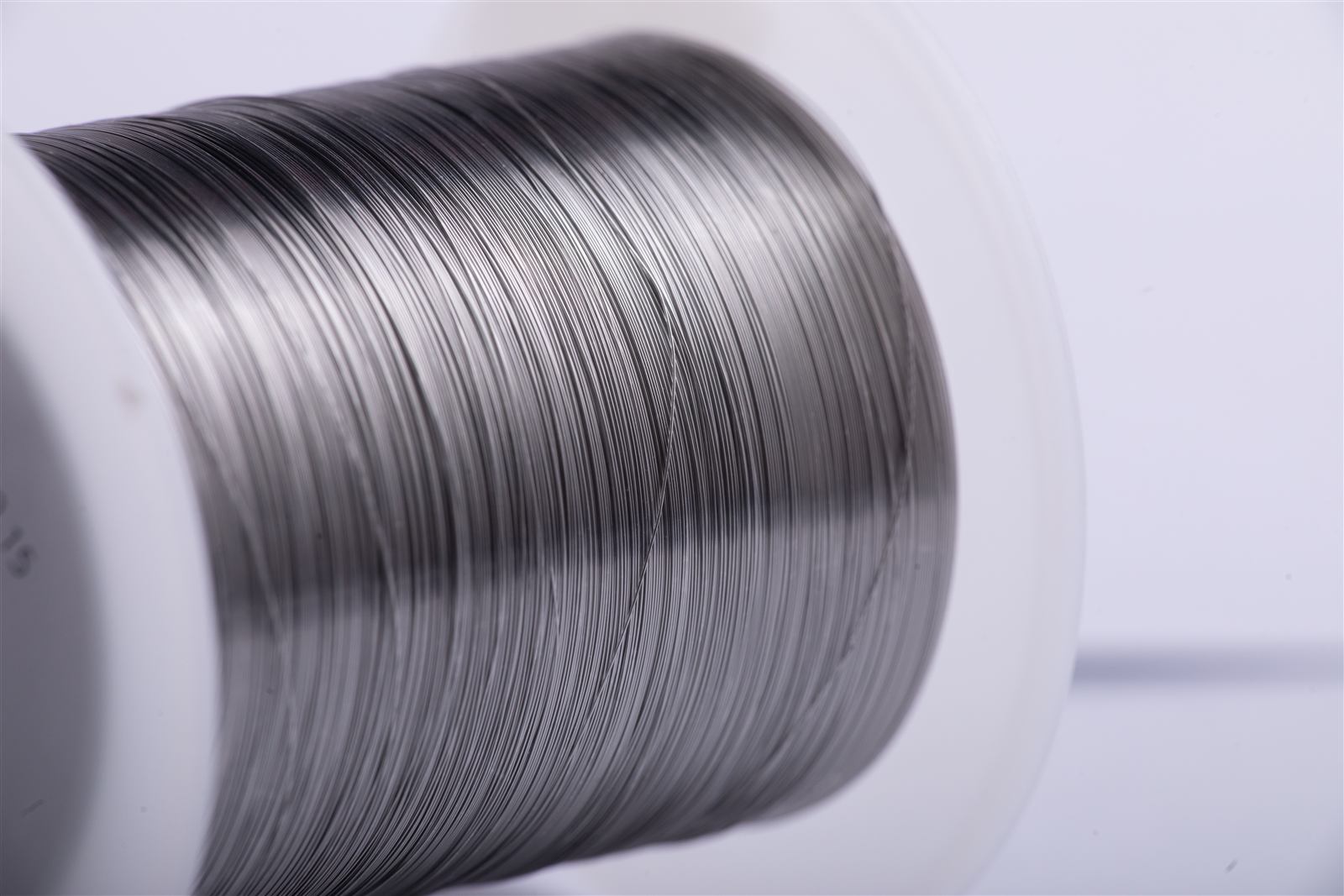
Platinum Wire Specifications
Start with the wire diameter and material grade on your drawing. If the wire must fit into another part, include the mating dimensions and identify which tolerances are critical to assembly.
| Specification | What to include in your request |
|---|---|
| Material grade | Required platinum purity or material specification |
| Wire diameter | Nominal diameter and acceptable tolerance |
| Wire condition | Required temper or mechanical properties, if specified |
| Surface requirements | Surface finish or cleanliness criteria that matter to the application |
| Delivery form | Requested spool or cut lengths, with quantity |
| Documentation | Material or inspection documents required for supplier approval |
Platinum Wire for Electrode and Conductive Components
When platinum wire forms part of an electrode, include the exposed length and the method used to join it to the rest of the assembly. For conductive components, specify any electrical requirements and note where the wire will be joined or formed.
Pt Wire vs. Platinum-Iridium Wire
Pt wire refers to platinum wire. Platinum-iridium wire, or Pt-Ir wire, is an alloy of platinum and iridium. Use the material specified on your drawing when requesting a quote.
Frequently Asked Questions
What platinum purity and wire diameters are available?
Include the required purity, nominal diameter and tolerance in your inquiry. MOOSEN will review the combination for your project.
Can I request cut lengths or spooled wire?
State your preferred delivery form and quantity. For cut lengths, include the nominal length and its tolerance.
Can I request a sample before placing an order?
Include the sample quantity and the features you need to evaluate. Ask about sample availability when you submit your specifications.
What Pt Wire Means on a Drawing
Pt is the chemical symbol for platinum. On a wire purchase specification, the material callout should identify the required platinum grade or purity and the condition in which the wire is supplied. A drawing that says only Pt wire leaves several engineering details open. The finished diameter, order length, allowable dimensional variation and method of identification belong with that material callout.
Some assemblies use an unalloyed platinum conductor because the material is already part of an approved material specification. Others start by comparing platinum with an alloy based on strength, formability or resistance requirements. If the design is already qualified, check the actual bill of materials and material certificate requirement before asking for a substitute. The supplier needs to know whether a named grade is mandatory or whether the project is still comparing candidates.
A short RFQ can be enough for a feasibility review if it includes the specified grade, nominal diameter, allowable variation and intended use. If purity is central to the design, send the associated material standard or state which certificate details the receiving team needs. This avoids quoting an undefined platinum product when the order depends on a specific chemical composition.
Pure Platinum Wire and Platinum-Iridium Wire
Unalloyed platinum wire is identified by its platinum grade and purity. Platinum-iridium wire has a defined proportion of iridium added to the platinum. The alloy ratio and the processing condition matter when reviewing mechanical or electrical properties. For example, manufacturers distinguish Pt–Ir grades in their technical datasheets and quote their material conditions separately. The Johnson Matthey PGM wire overview gives examples of the platinum and platinum alloy categories used in wire production.
If the BOM calls for elemental platinum, identify the purity level and any impurity limits required by the project. If it calls for a Pt–Ir alloy, check the required grade and direct the inquiry to the platinum-iridium wire supply page. Keep the two materials under separate purchasing identifiers when they coexist in a program. A spool label that distinguishes material, diameter and lot is especially useful when the wires look similar.
A material substitution can affect how a conductor behaves at a termination, in a forming operation or in a measurement circuit. Review the drawing and application criteria before substituting one precious metal wire for another. When samples are compared, record the diameter, condition and alloy separately so that the result can be traced to a specific change rather than attributed to the general term platinum wire.
Use the Device Interface to Set Diameter and Length
Identify the wire segment that needs to pass through the mating feature. A ceramic opening, connector, small sleeve or assembly fixture can define the effective diameter limit. If a portion will be drawn into a feature or retained under a cover, show where the limit applies and where the finished assembly can be measured. If the wire is combined with another material, indicate whether the drawing measures the bare wire or the outermost layer.
The type of delivery changes how length is specified. A short cut segment needs its own length tolerance and any required end condition. A spool order needs the required usable length, spool format or compatible handling notes, plus any requirements for continuous wire. Where the receiving process pulls wire from a spool, describe the feed arrangement and flag any spool characteristics that control fit. Requested formats and tolerances are confirmed against the quoted configuration.
For wire cut and handled in small quantities, tell the supplier whether parts will be counted, weighed or handled as separate lengths. If mixed part numbers share a storage area, packaging should make the differences in grade or size visible. Consider whether the parts are handled by a gripper, placed on a carrier or loaded into a tray. This context helps engineering and purchasing tie the required delivery format to the next production step.
Describe the Material Condition for Forming or Joining
Specify the delivery condition that the downstream process requires. A winding or forming operation may need a particular response to bending. A termination may depend on the position, shape or surface of a wire end. If those behaviors are important to acceptance, provide the required tests or drawing notes. A material name and a diameter alone do not establish the result of a specific operation.
When an existing part is the reference, include its drawing revision and the relevant limits rather than relying on a photograph of the wire. If a sample can be supplied for review, explain which measured characteristics must be matched and which are incidental. Useful details include a critical insertion length, approved end shape, an agreed straightness check or a particular contact interface. Ask the supplier to identify any missing requirements that would affect feasibility.
Keep the conductive path in view when the wire is part of a sensor. The wire may be a component of a resistance element, a lead to a sensing junction or a conductor in a separate assembly. The material and geometry needed at the measuring element follow the device design. A wire purchase therefore benefits from noting the specific role, along with the intended connection and the inspection data needed to verify the order. See medical temperature sensing components if the inquiry concerns a complete temperature-sensing lead or assembly.
Plan Receiving Inspection and Lot Records
Agree how the wire diameter will be measured and which values need to be reported. If a thin wire is held under tension during measurement or handling, identify the conditions that apply to the agreed method. Tell the supplier what units the receiving team uses and whether the reported resolution is important to the acceptance decision. Before placing repeat orders, clarify how results will be tied to the material and physical package.
The grade or purity certificate, lot label and drawing revision serve different purposes. The certificate identifies the material being supplied. The package label helps maintain traceability on receipt and through storage. The drawing indicates which characteristics the supplier and buyer have agreed to use for acceptance. If your team expects all three to reference the same purchase item, make the requirement explicit during quotation.
A prototype order can use a shorter initial review than a production program, depending on what the prototype needs to establish. Plan how to record the sample quantity, measured characteristics, connection result and any changes made to the drawing. When a later order changes the material condition, diameter or package format, identify the revision and confirm which checks need to be repeated. See MOOSEN quality information for the inspection topics that can be discussed with your project requirements.
Questions Before Ordering Platinum Wire
Decide first whether the request is for unalloyed platinum, a specific alloy or a coated conductor. Give the outside diameter, units and tolerance along with the wire length required for the first delivery. Indicate whether the wire will be formed, terminated, routed or measured in the assembly, and identify any detail that affects how it must be supplied. A delivery schedule or estimated recurring quantity is useful when discussing a later production lot.
For a part with an incomplete material drawing, share the fixed dimensions and the open questions separately. MOOSEN can review whether the available input is sufficient to discuss a drawing-defined configuration. If you require a particular test certificate or receiving inspection record later, include it with the inquiry so it can be considered before the quotation is agreed.
Request a Quote for Pt Wire
Send your drawing or share the required material grade, wire diameter and estimated quantity. Include your target delivery date and any inspection documents your purchasing team needs.