
ELECTROPHYSIOLOGY / APPLICATIONS
Electrophysiology Catheter Components
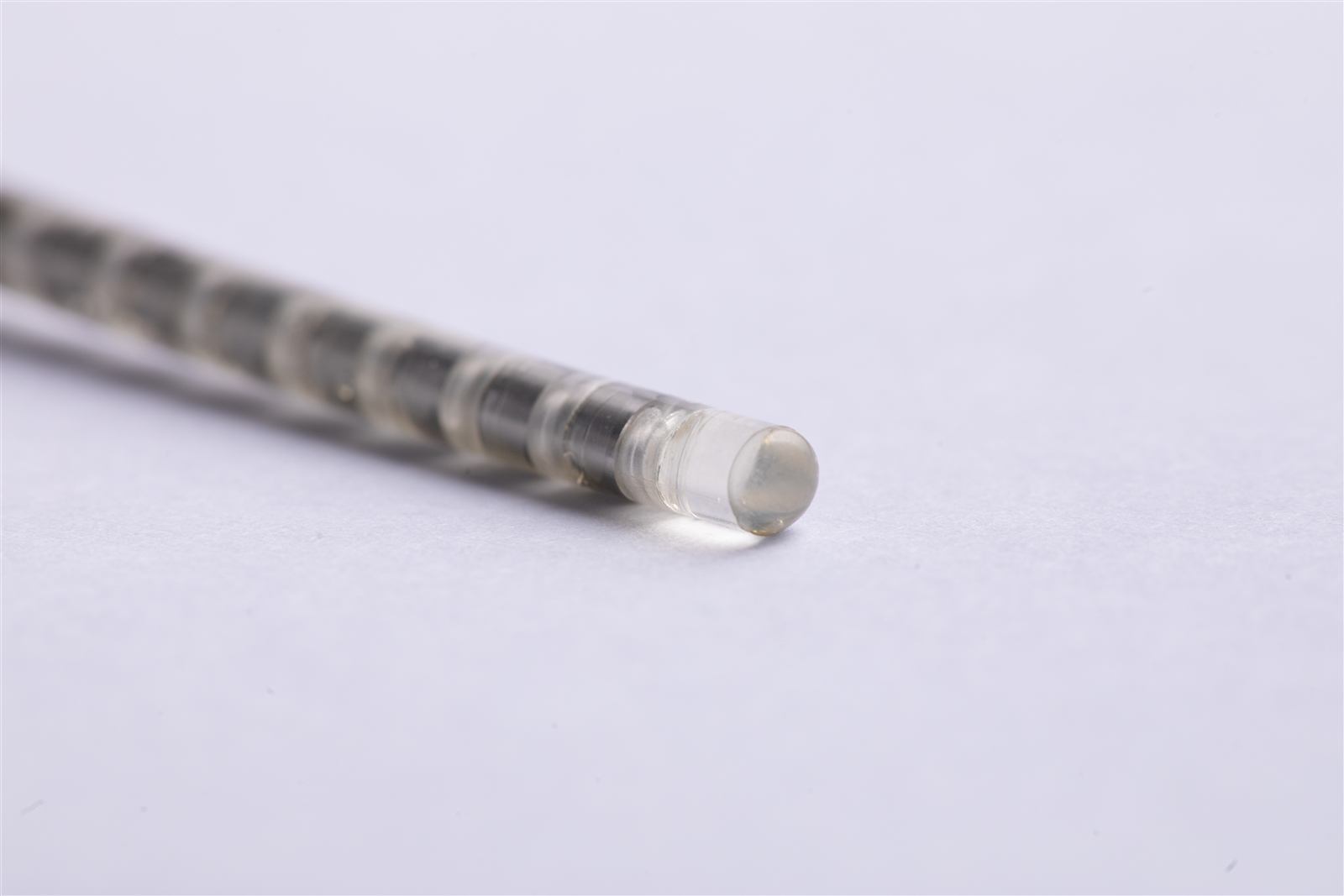
MOOSEN develops drawing-defined platinum-iridium ring electrodes, marker bands and fine conductors for electrophysiology catheters. Each component is engineered to fit the device maker’s compact assembly and specified electrical and dimensional requirements.
Where development gets difficult
The right component starts with the device maker’s design constraints. These questions shape the drawing, quotation and inspection plan.
Electrode geometry in limited space
Ring width, wall thickness, spacing and edge condition must be specified around the catheter shaft and the intended exposed area.
Connections and insulation interfaces
The design needs a clear plan for how the electrode and conductor will be joined, insulated and inspected after assembly.
Repeatable incoming parts
Component dimensions, surface condition and agreed inspection records need to support the manufacturer’s assembly and verification process.
MOOSEN component pathways
We supply components to an agreed drawing and confirm the scope for each program. The following product routes are starting points for engineering review.
Platinum-iridium electrode rings
Review OD, ID, wall, length, edge finish and joining features against the catheter drawing.
Marker bands
Define marker geometry and placement with the device team where an imaging reference is required.
Fine wire conductors
Discuss alloy, diameter, condition and downstream connection requirements for the electrical pathway.
Why work with MOOSEN
Drawing-led component review
Start with the released drawing or preliminary geometry, then confirm the part’s function and assembly interfaces.
Application-aware questions
Discuss electrode exposure, marker location, joining, insulation and inspection access together.
Agreed verification scope
Define dimensional and surface checks and the documentation needed for the component order.
What to send for engineering review
- Catheter location and component drawing
- Electrode or marker dimensions and tolerances
- Joining, insulation and exposed-surface requirements
- Prototype quantity, annual demand and required records
Frequently asked questions
Can MOOSEN supply electrode rings and marker bands for one catheter program?
MOOSEN can quote drawing-defined platinum-iridium electrode rings, marker bands and fine wire as separate controlled components for the same program.
Can the parts match our catheter shaft and spacing?
MOOSEN uses the customer’s shaft dimensions, electrode spacing, exposed area and attachment method to define the quoted geometry.
Can samples be supplied for catheter assembly trials?
MOOSEN can quote samples for the device maker’s placement, joining, electrical and imaging evaluations.
What does the RFQ need?
Send the catheter assembly drawing, individual part drawings, Pt-Ir grade, tolerances, quantities and inspection requirements.
What quality records can accompany the order?
MOOSEN aligns material identification, critical dimensions, surface checks and release records with the approved component specification.
Send Your Device Specifications
Send your drawing or preliminary specification. MOOSEN will define the relevant component scope and the information needed for quotation or sampling.